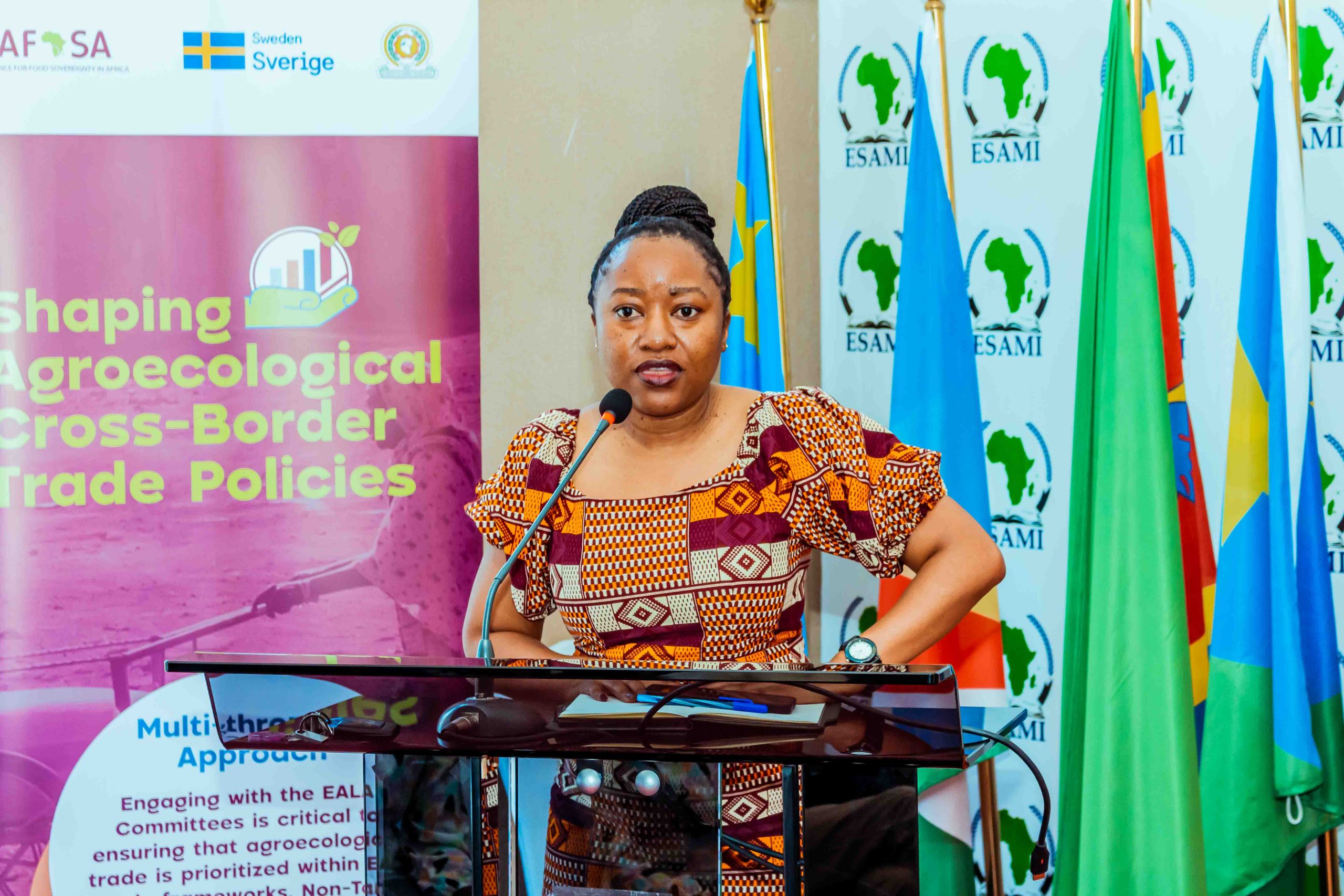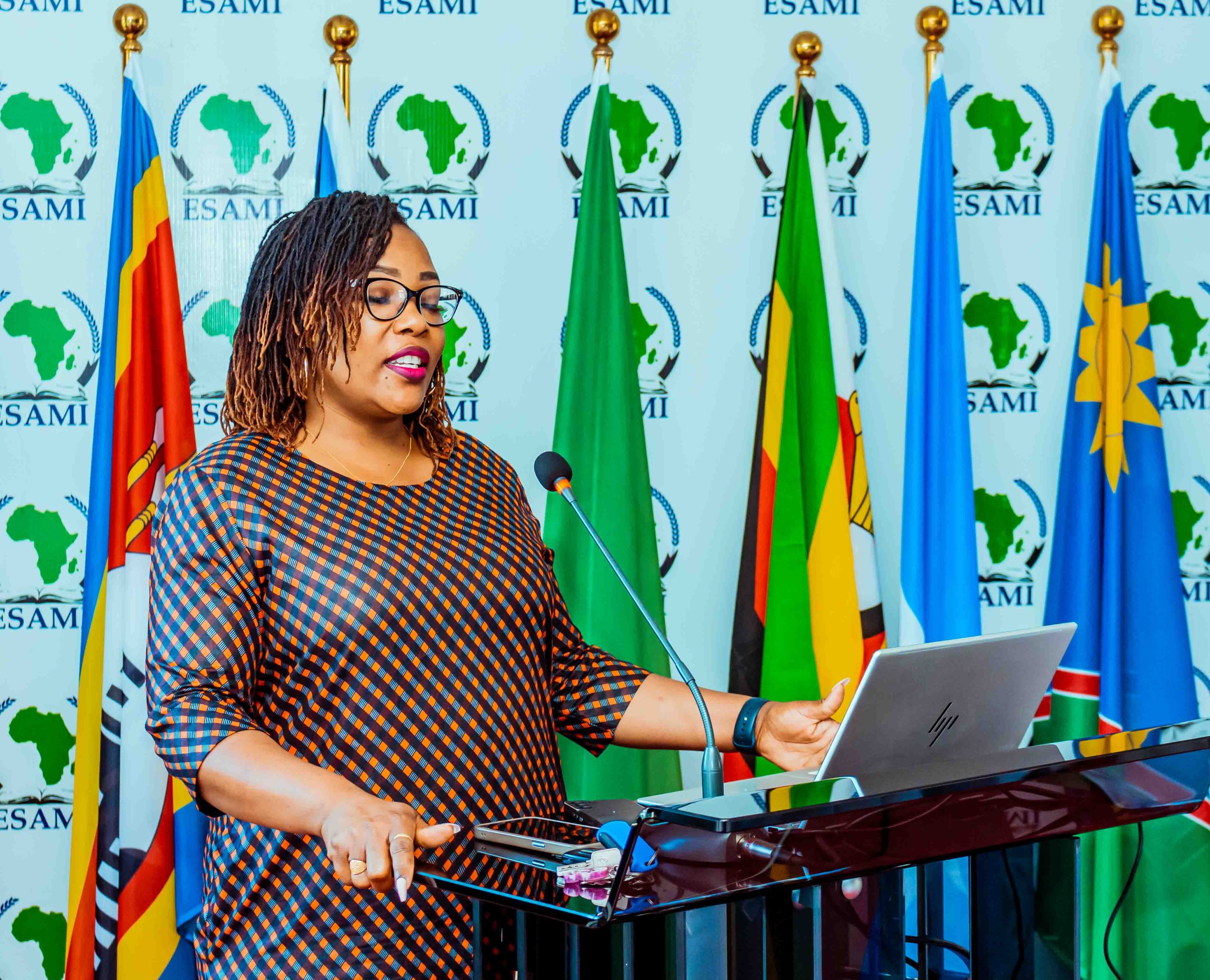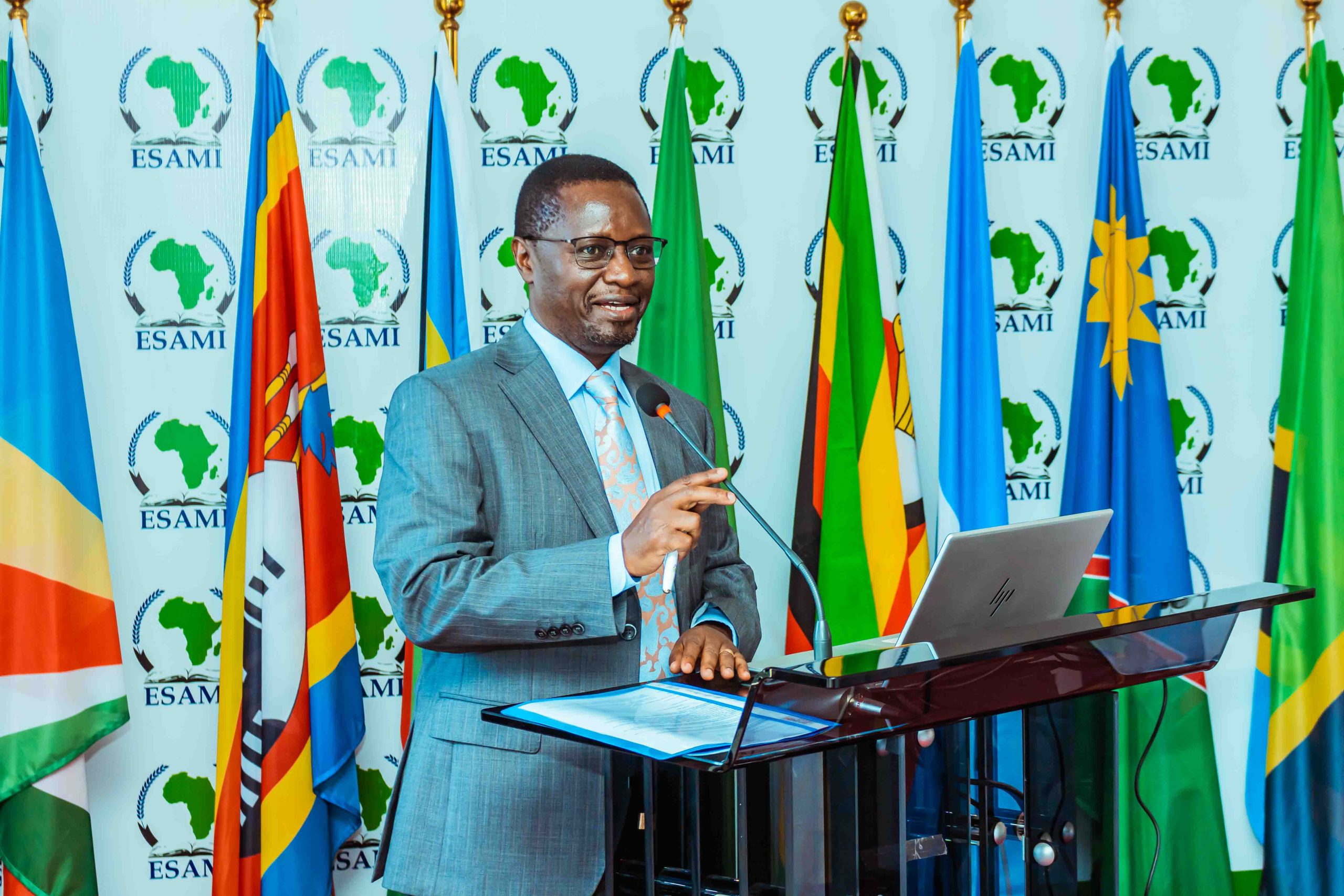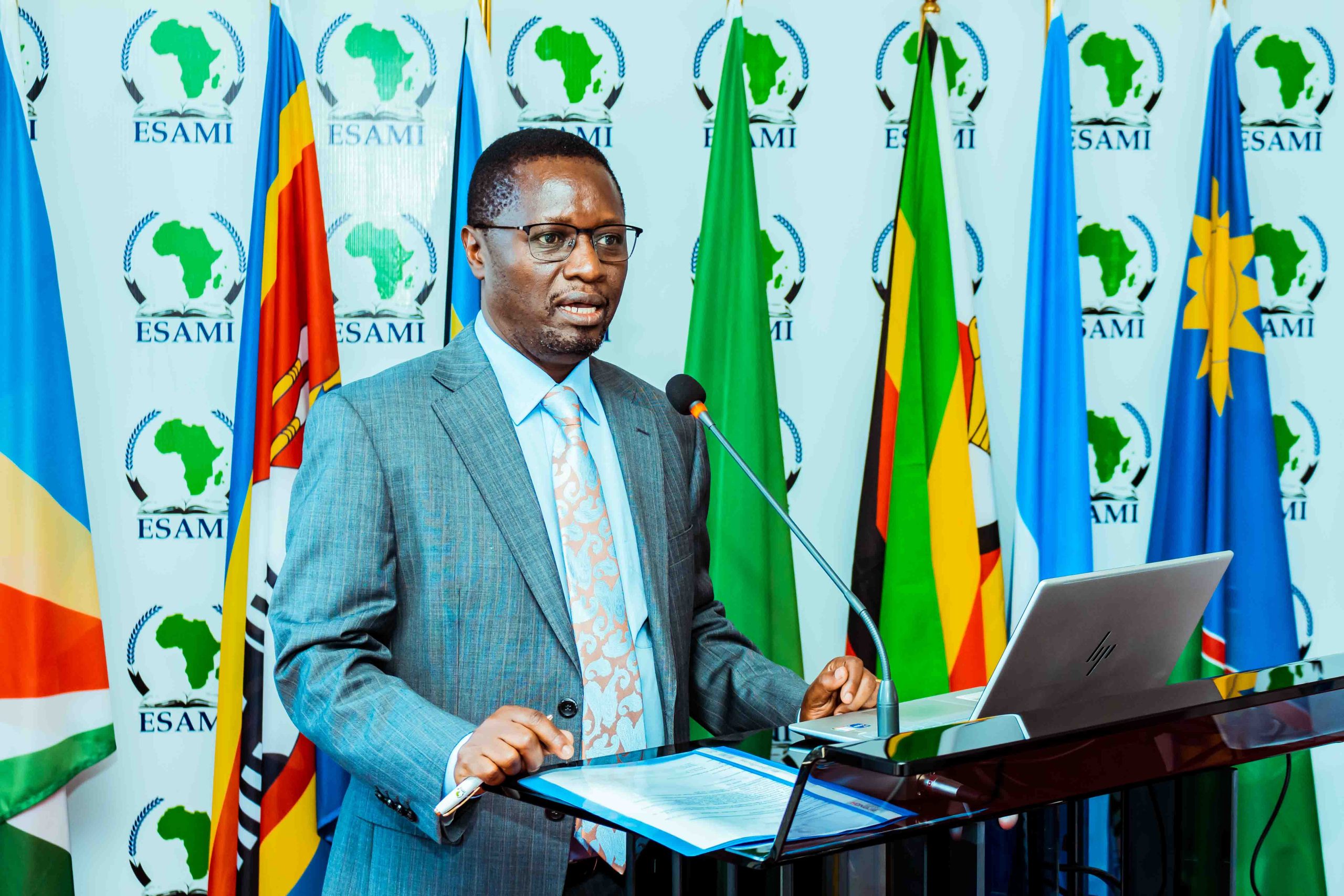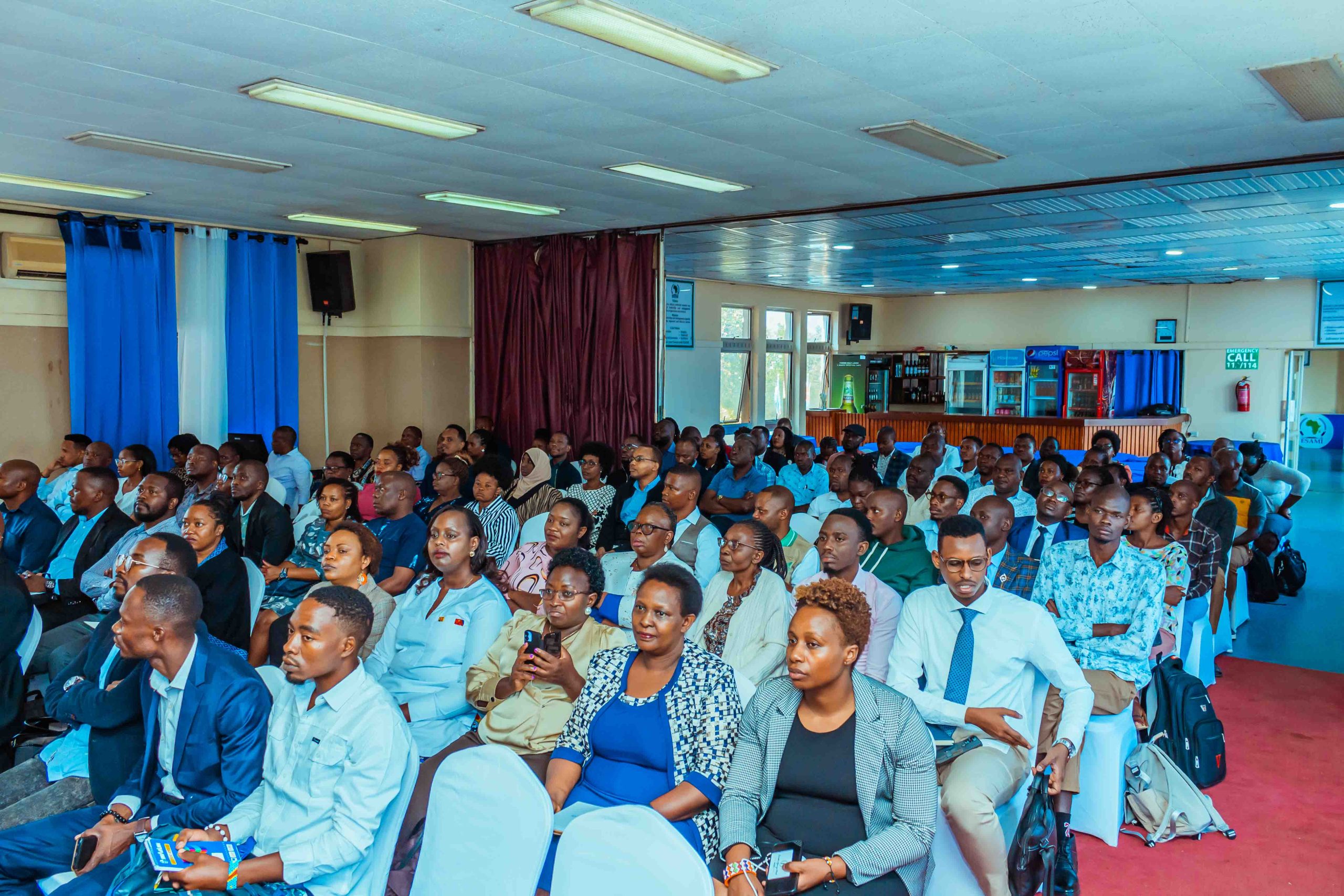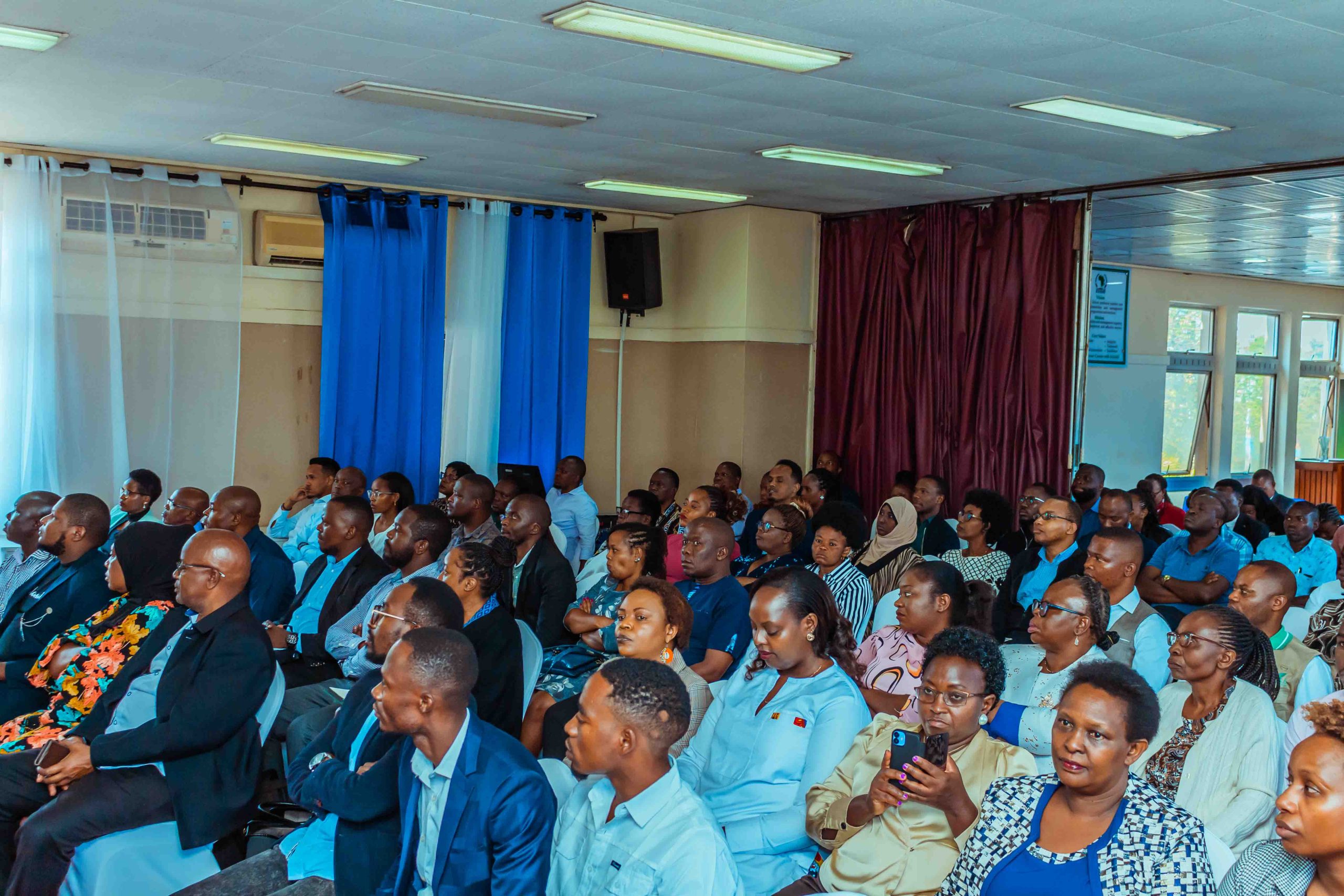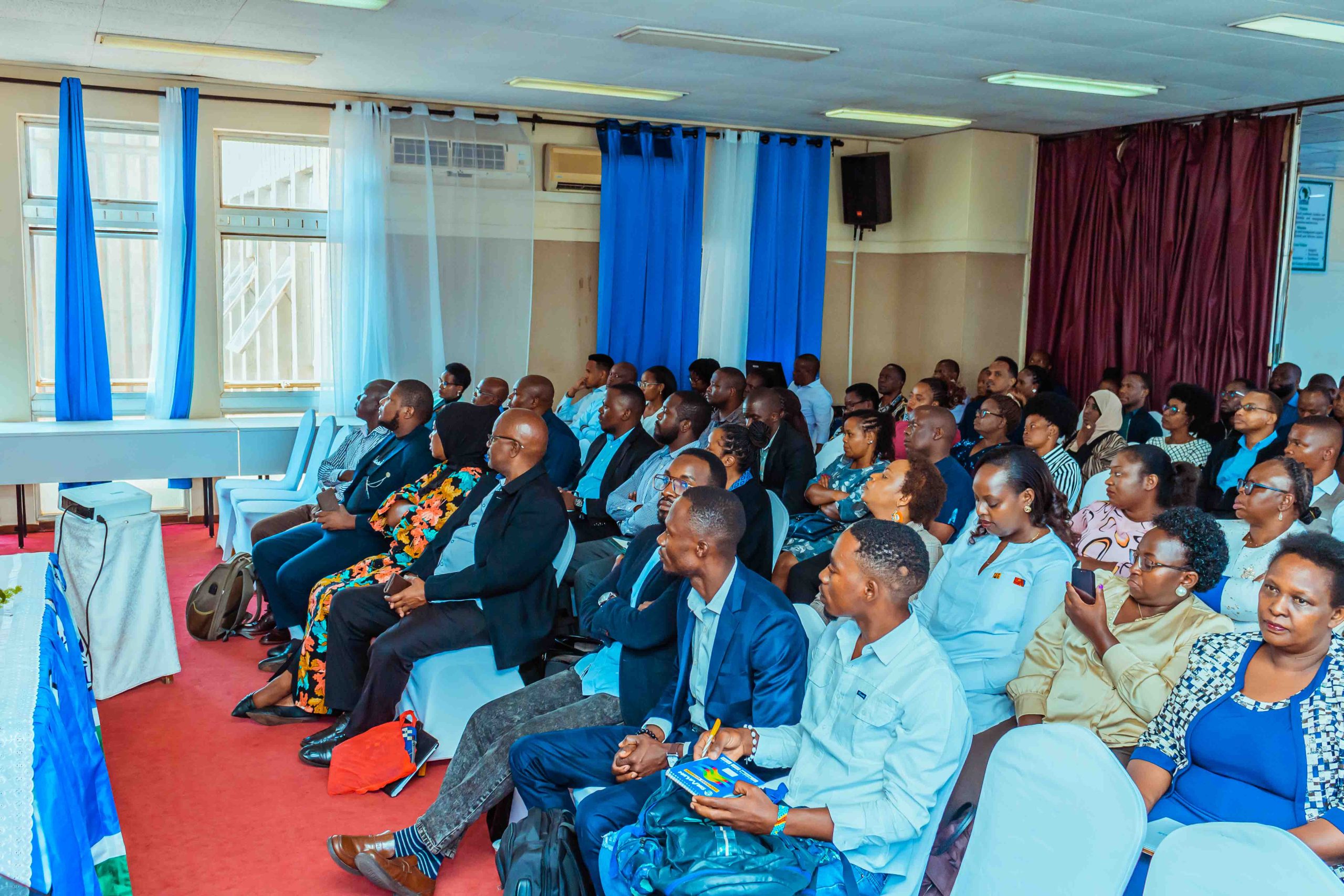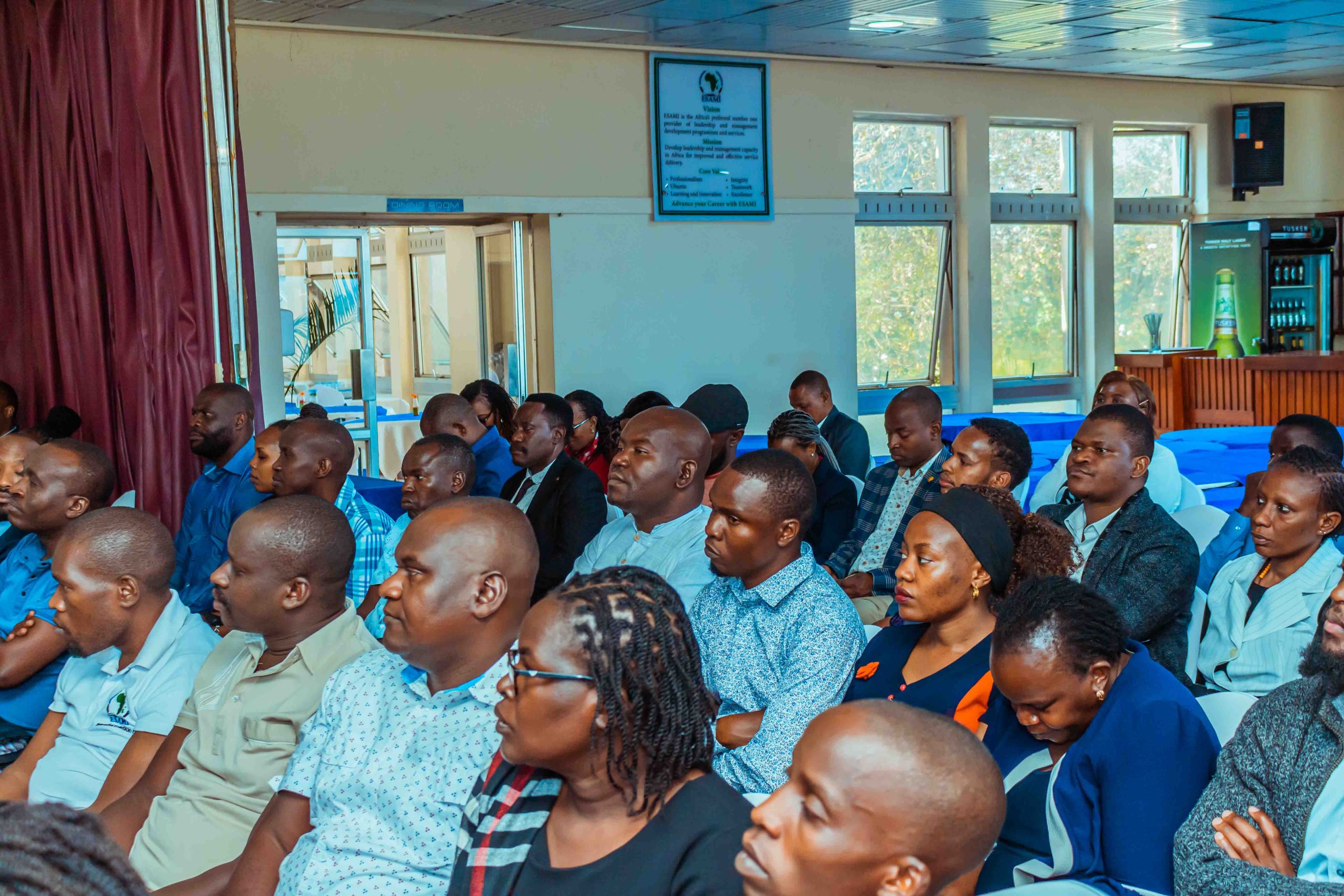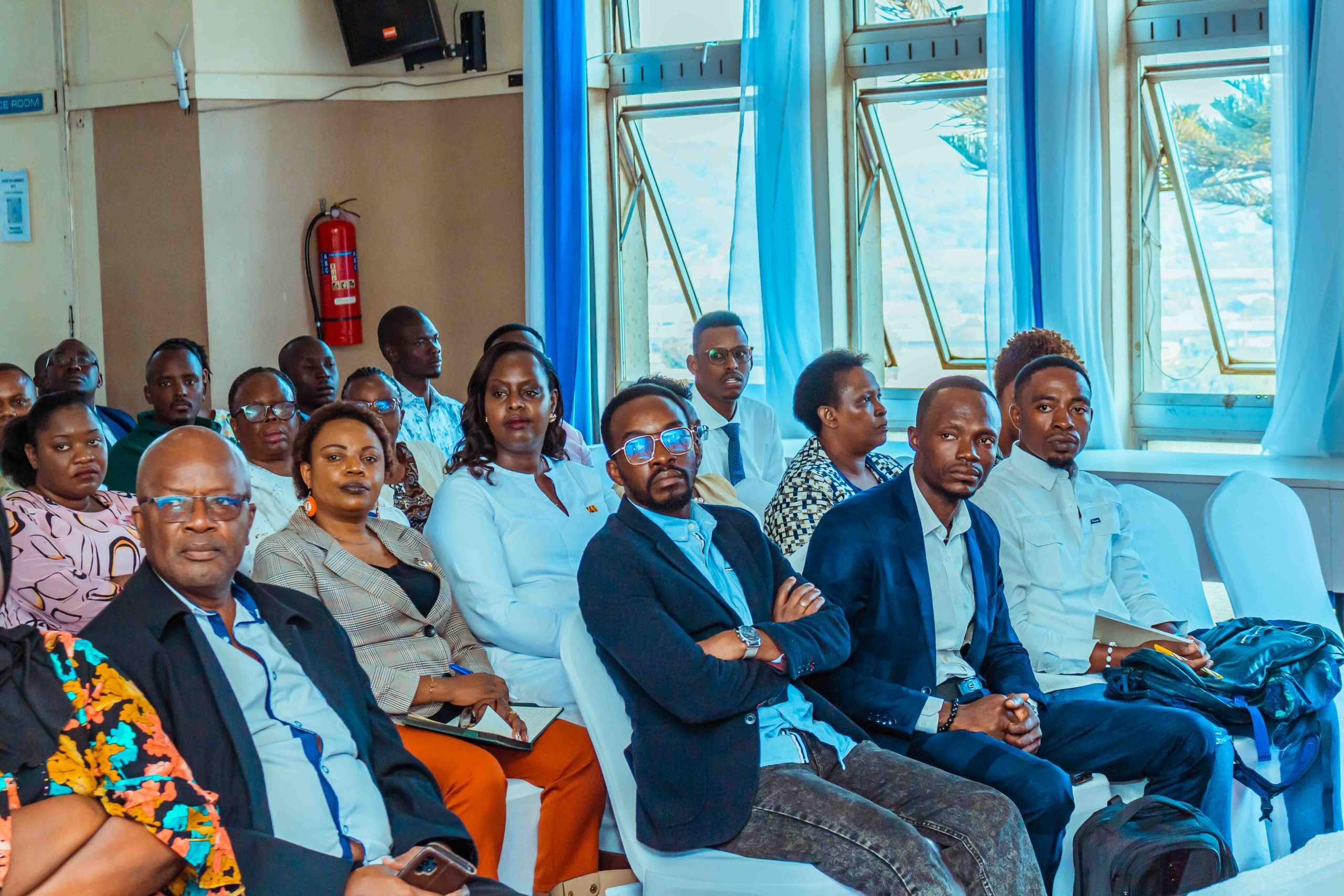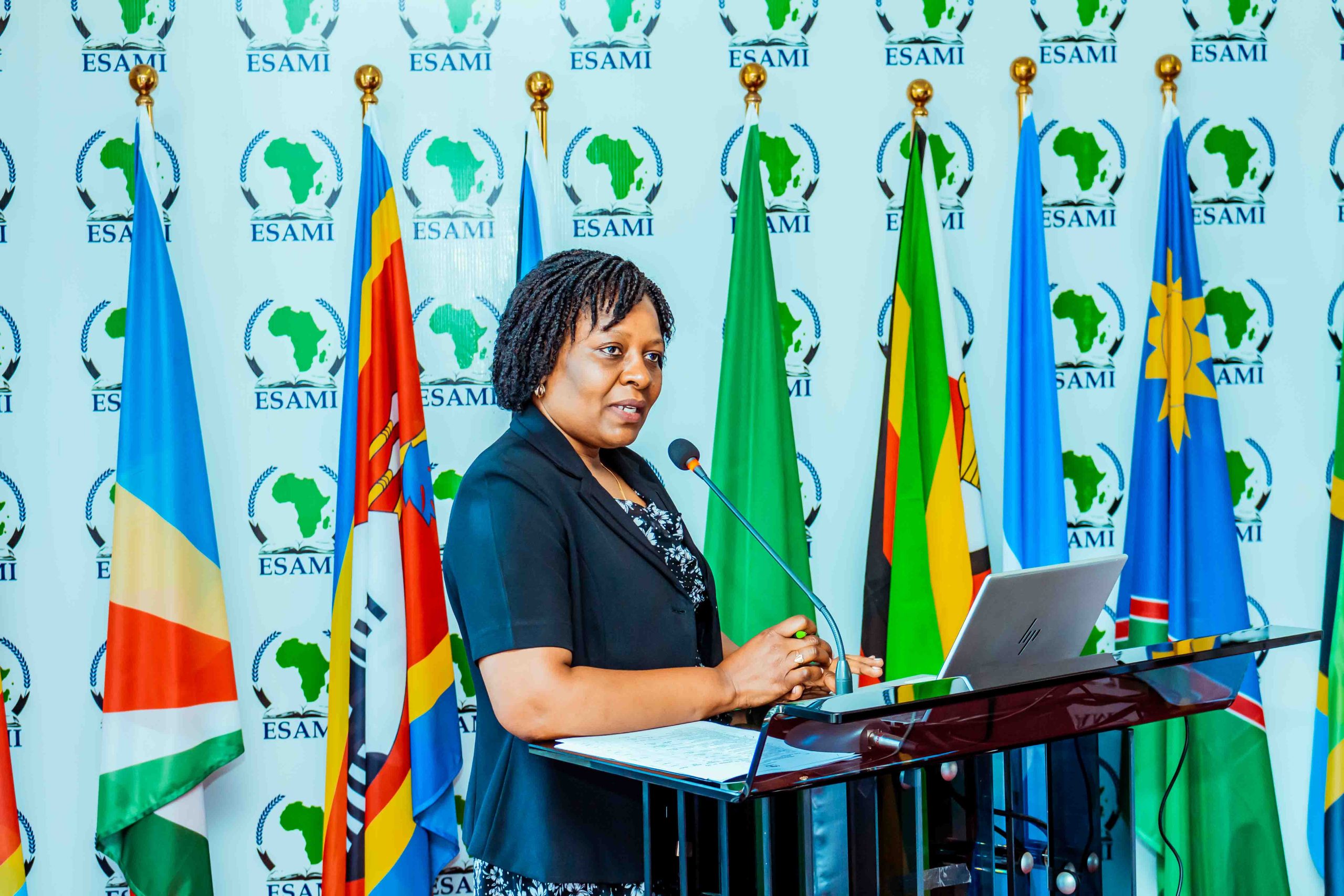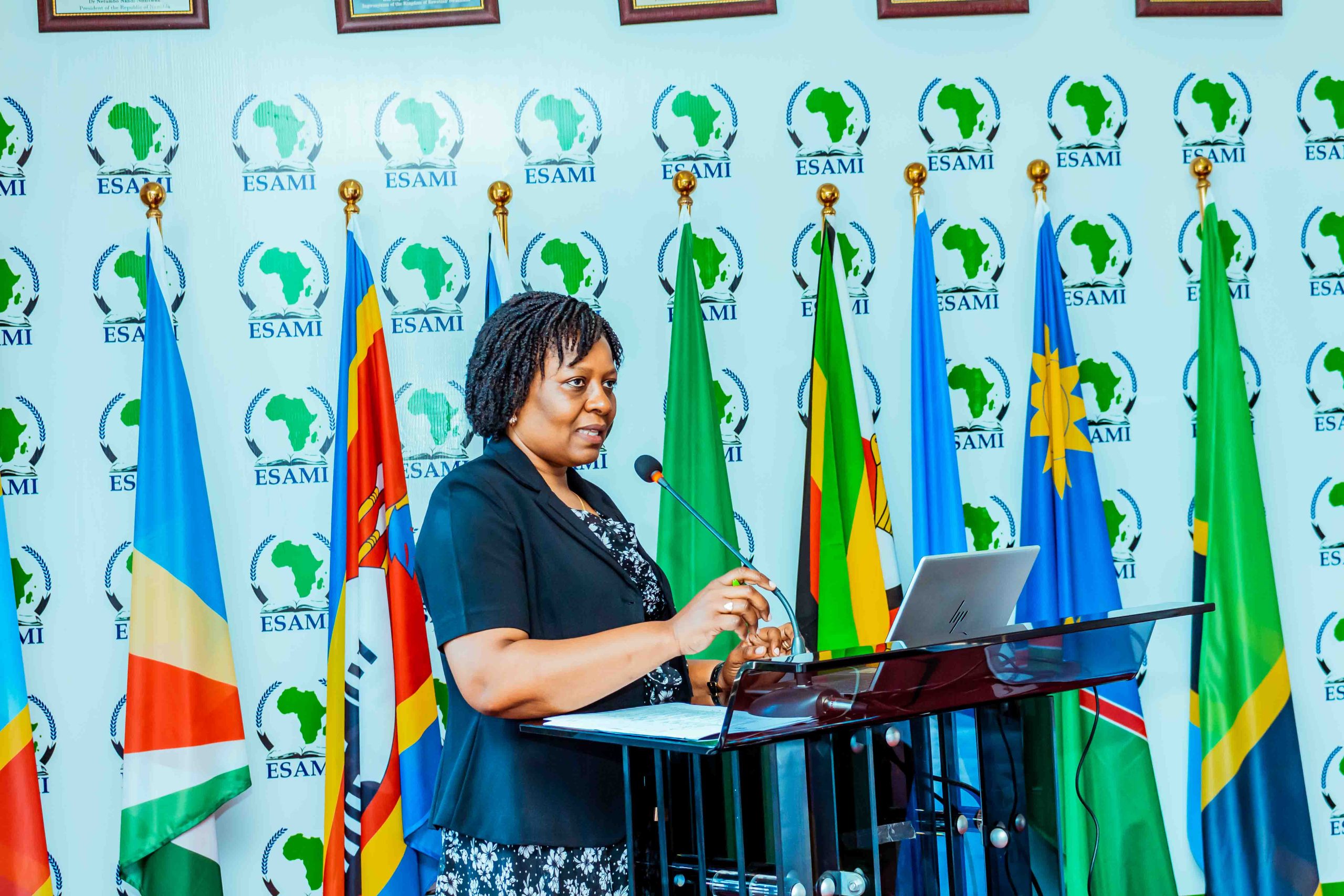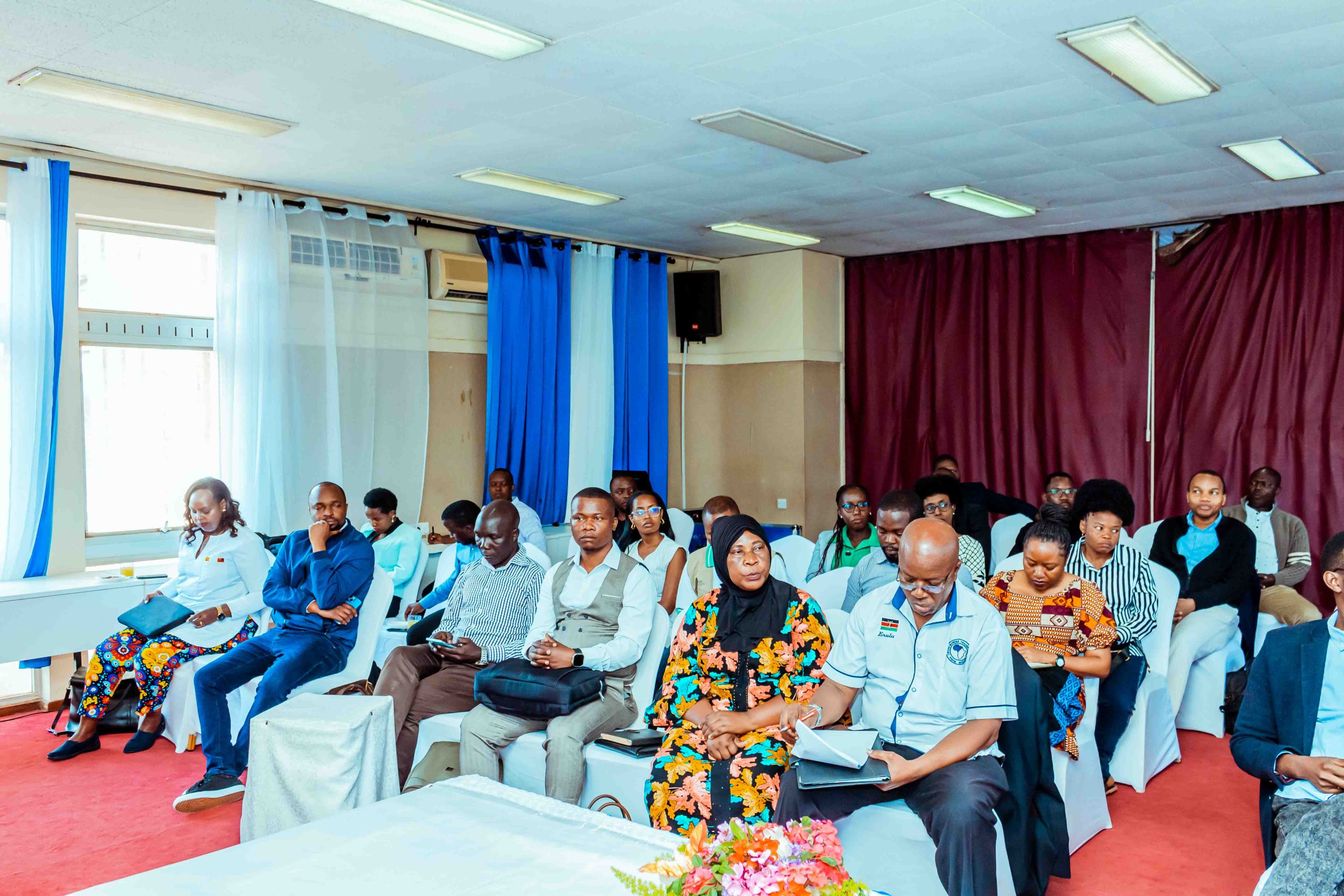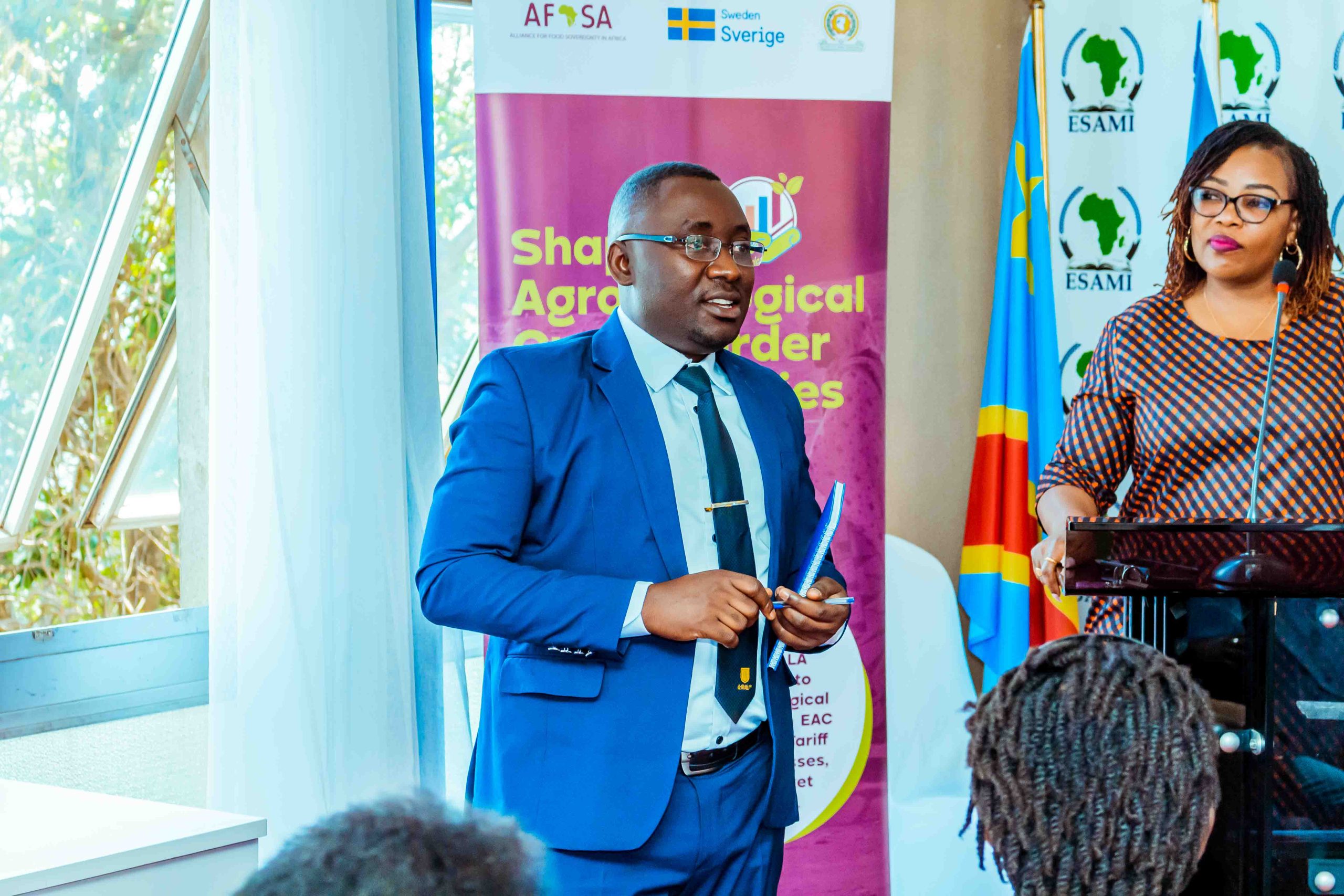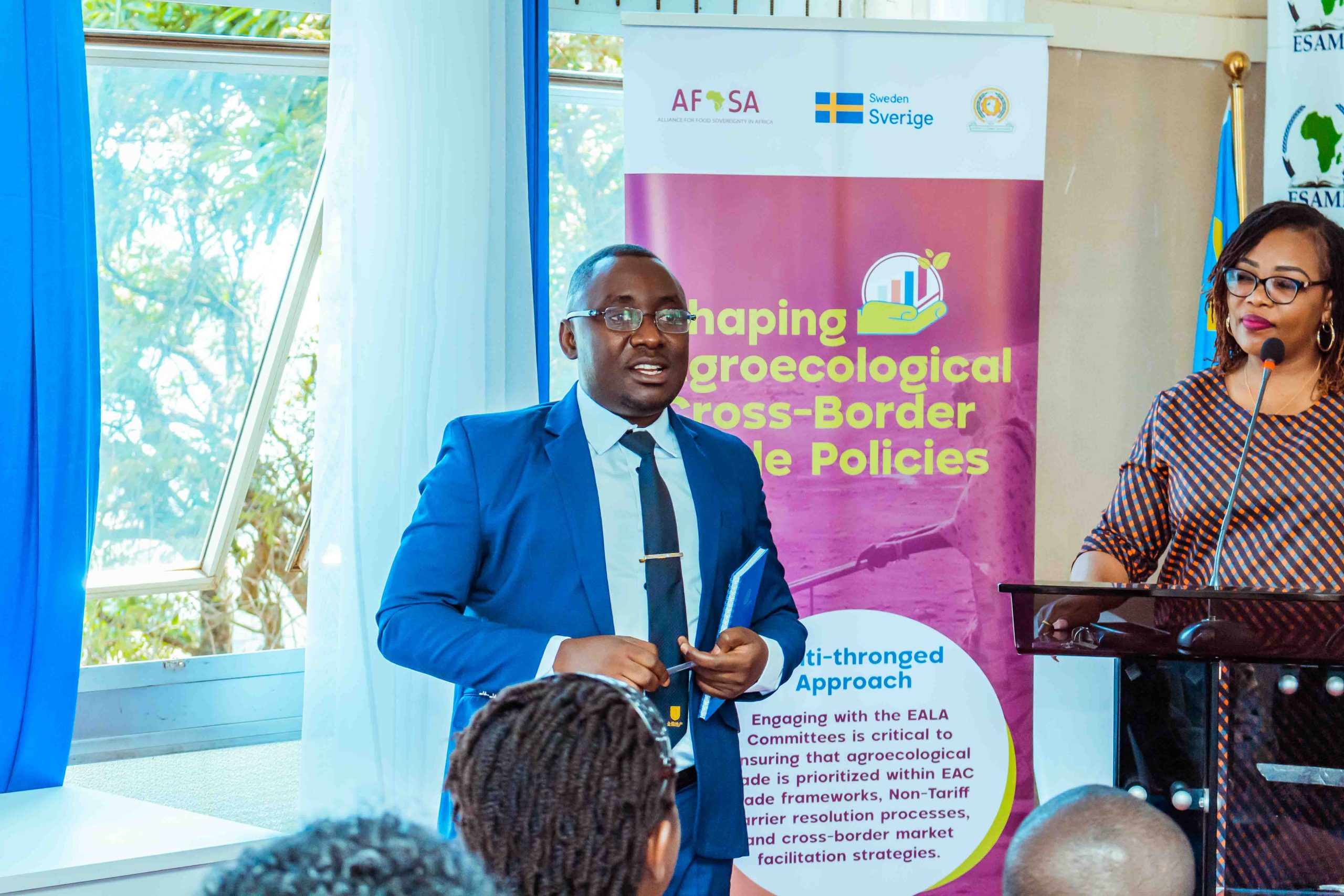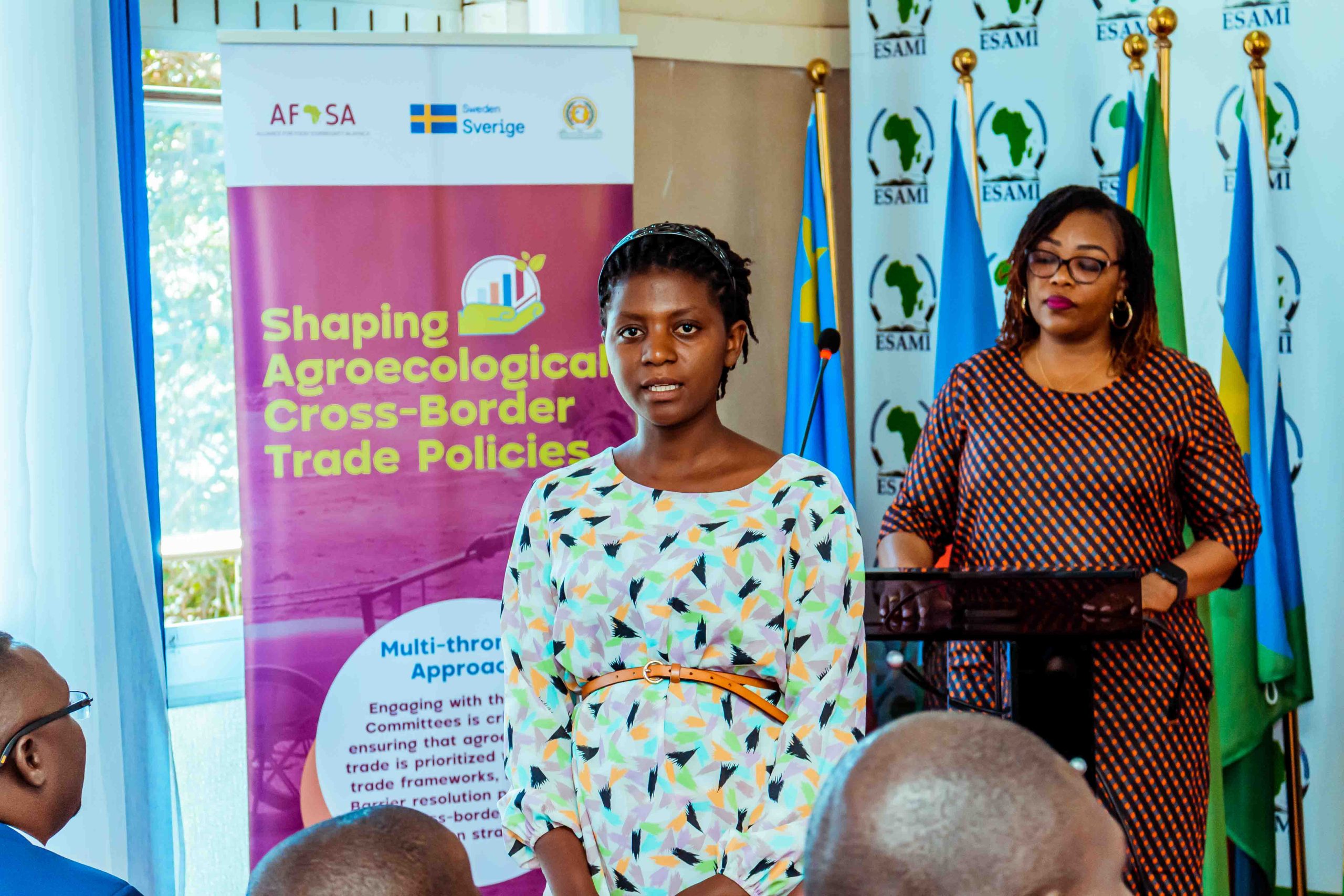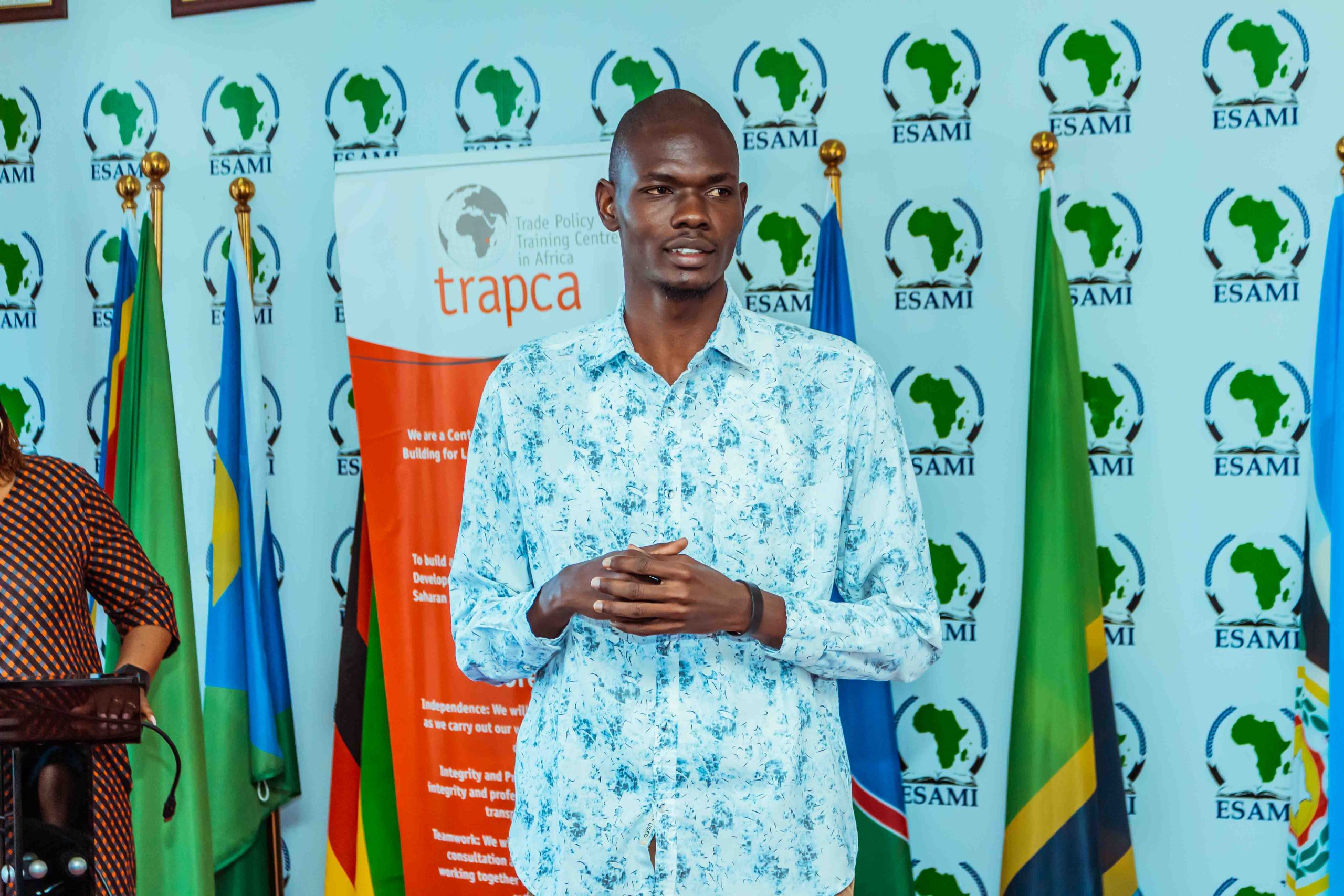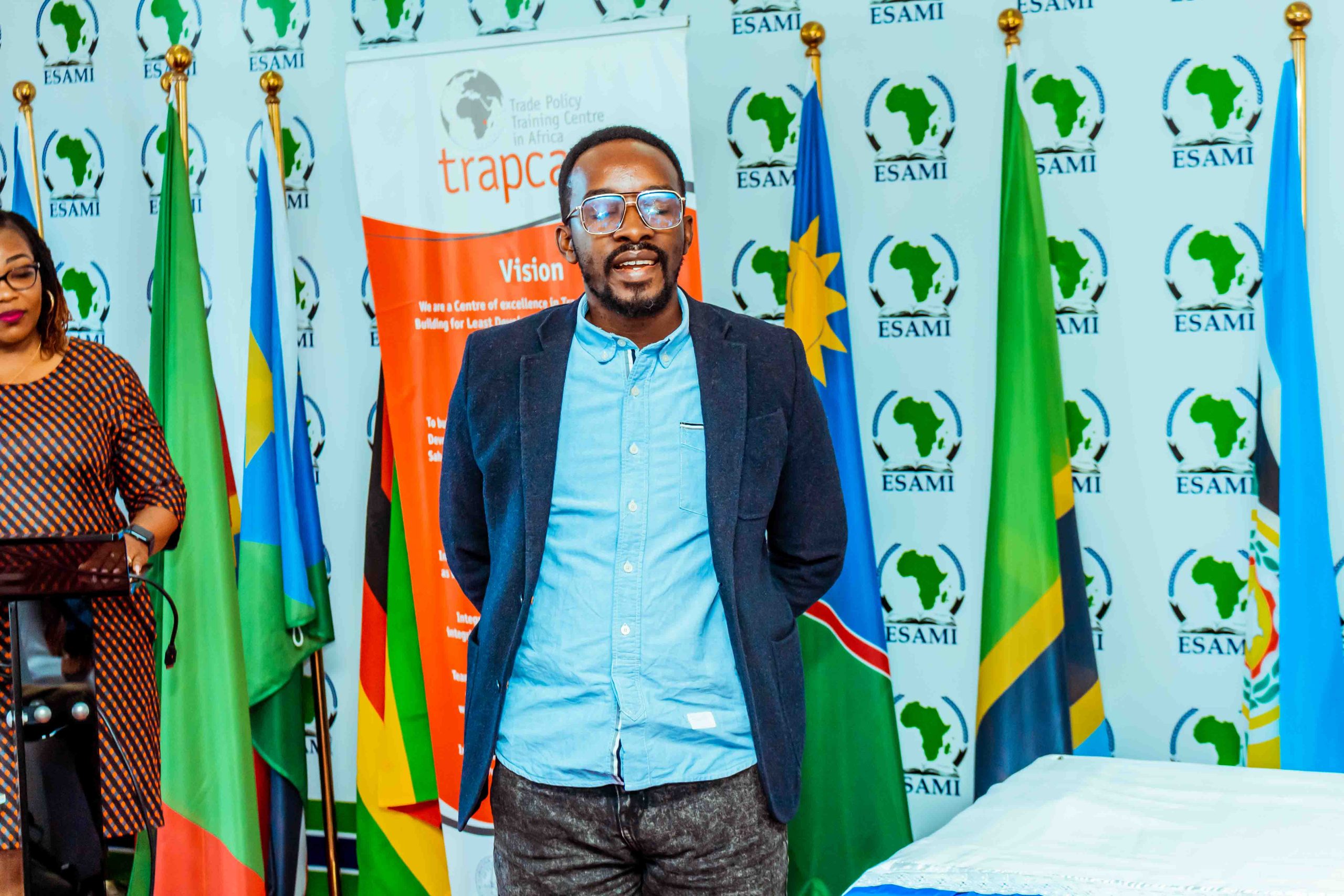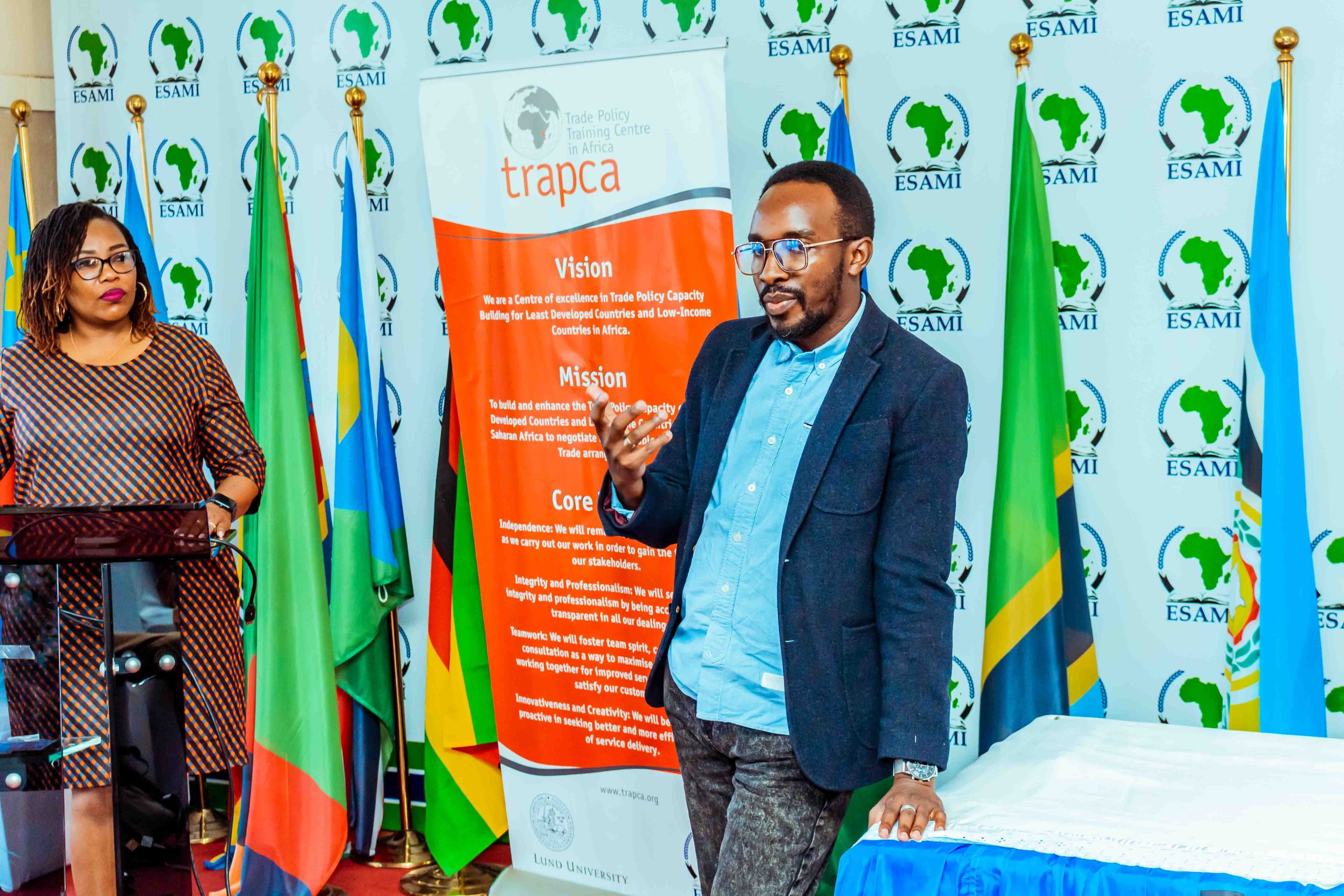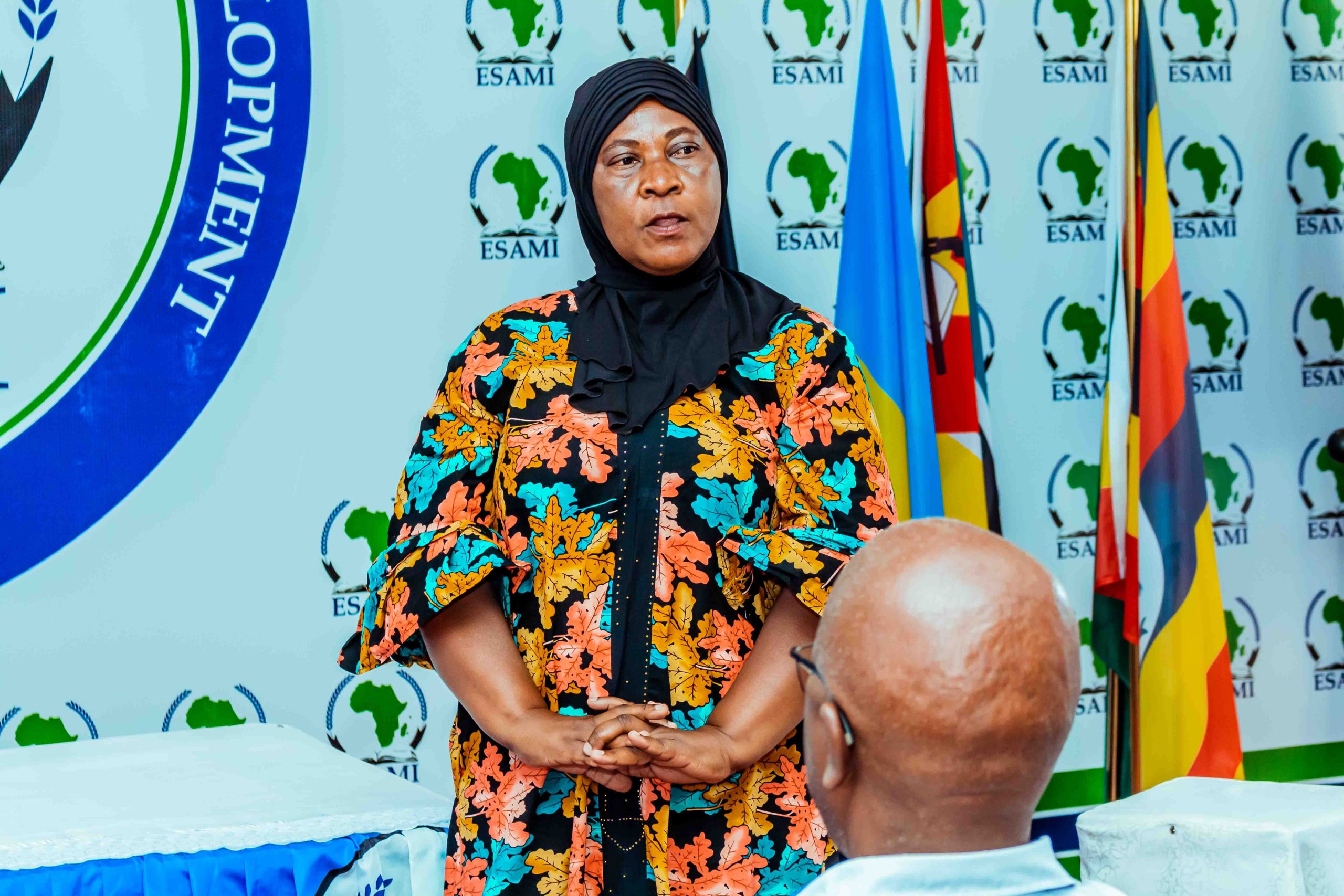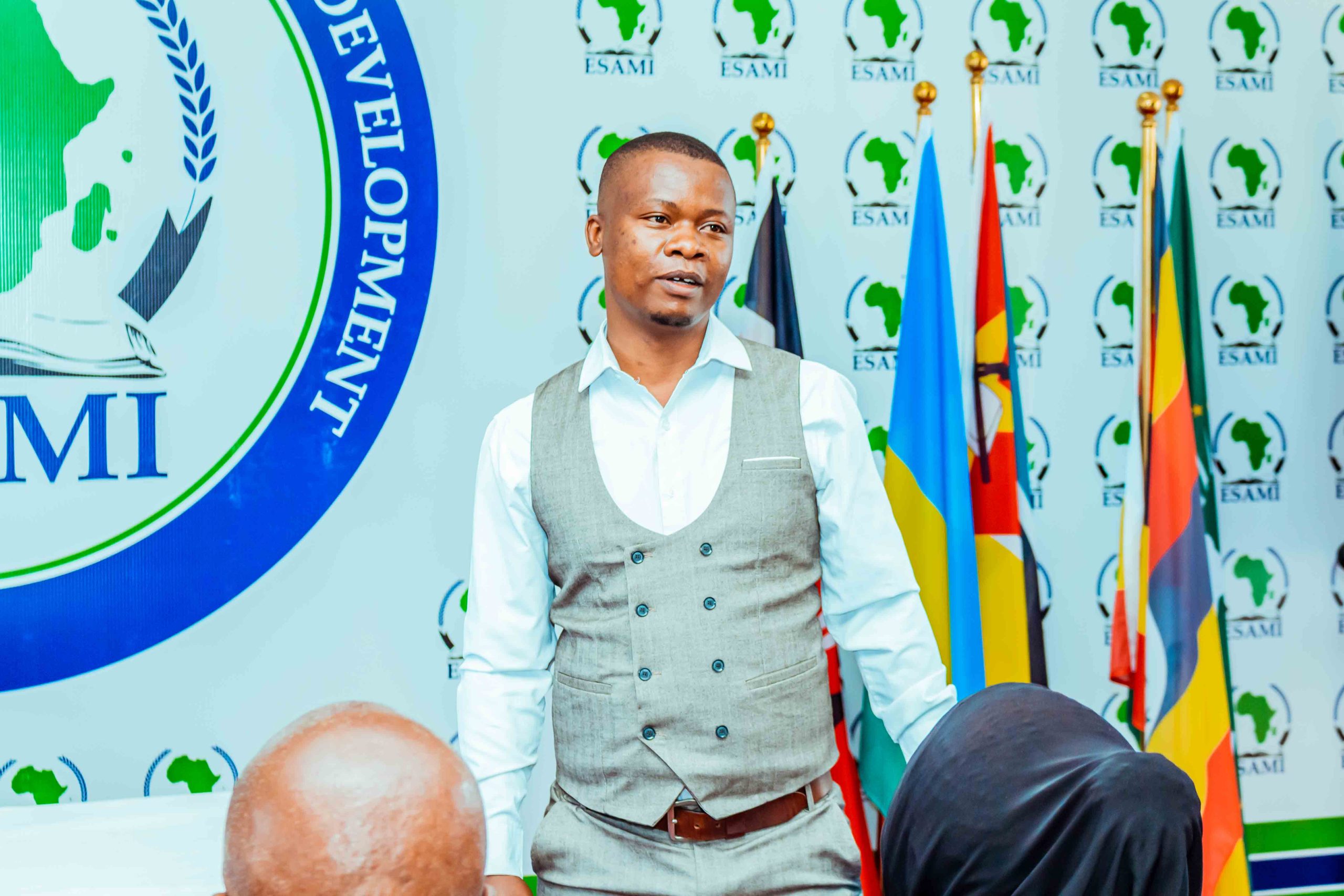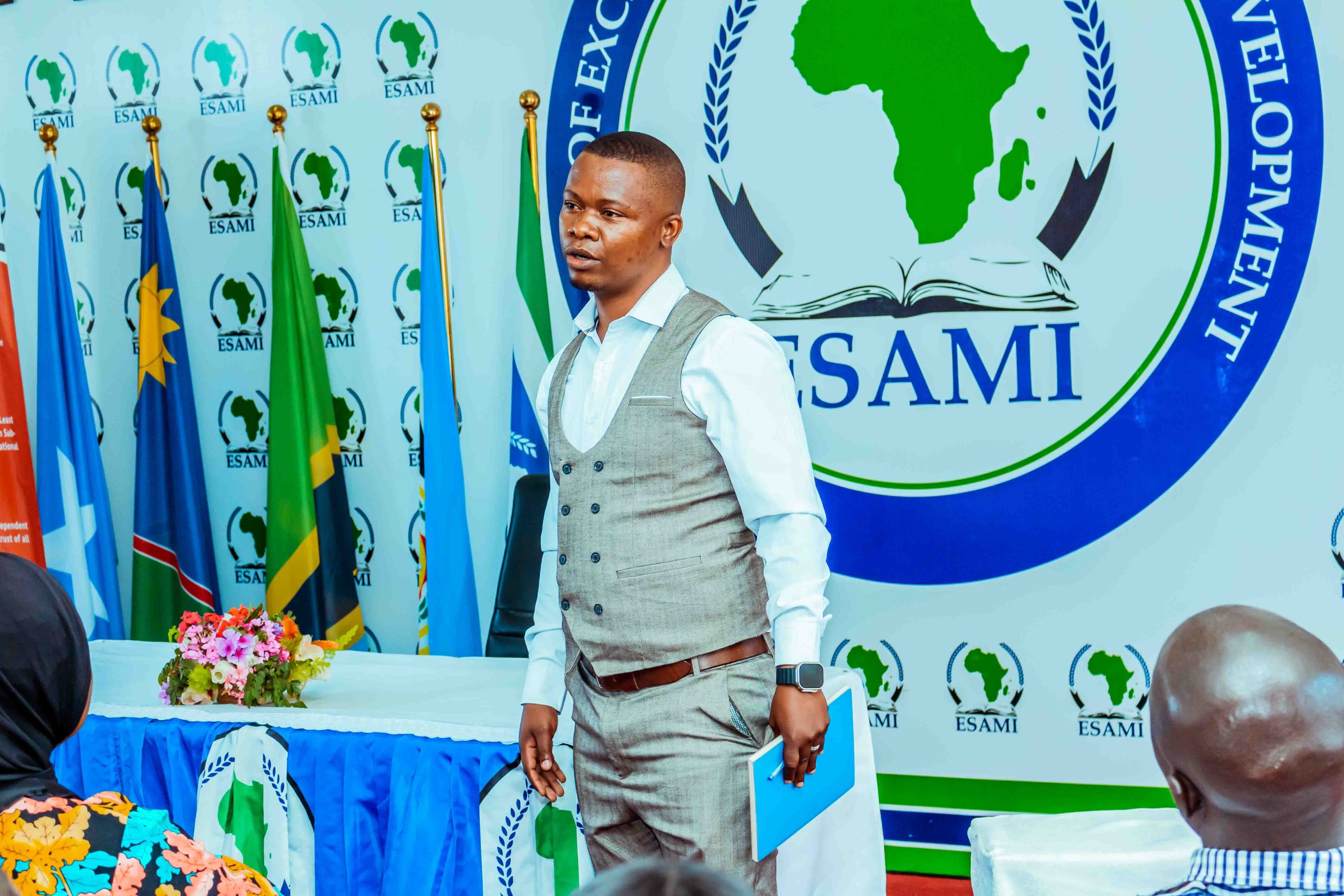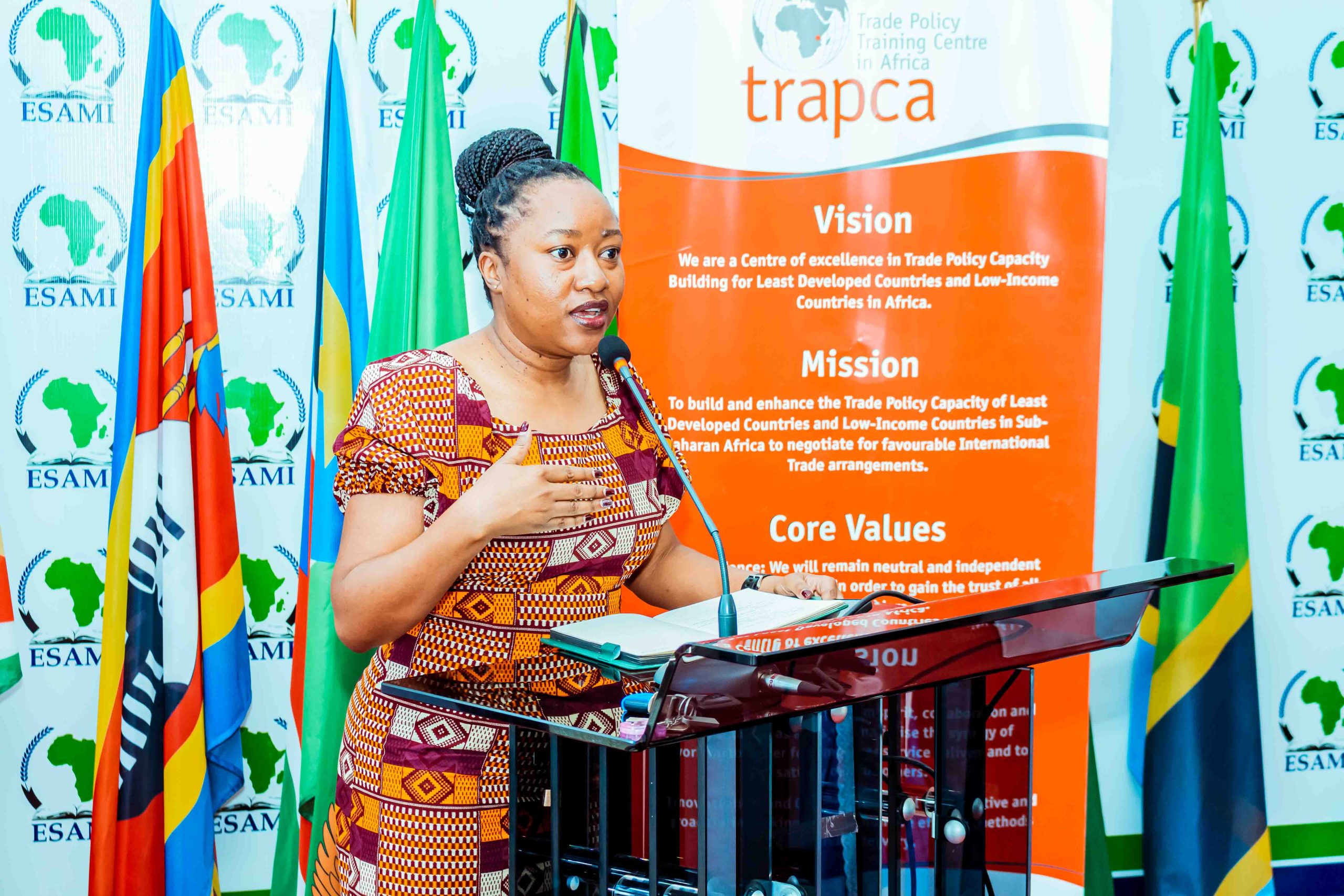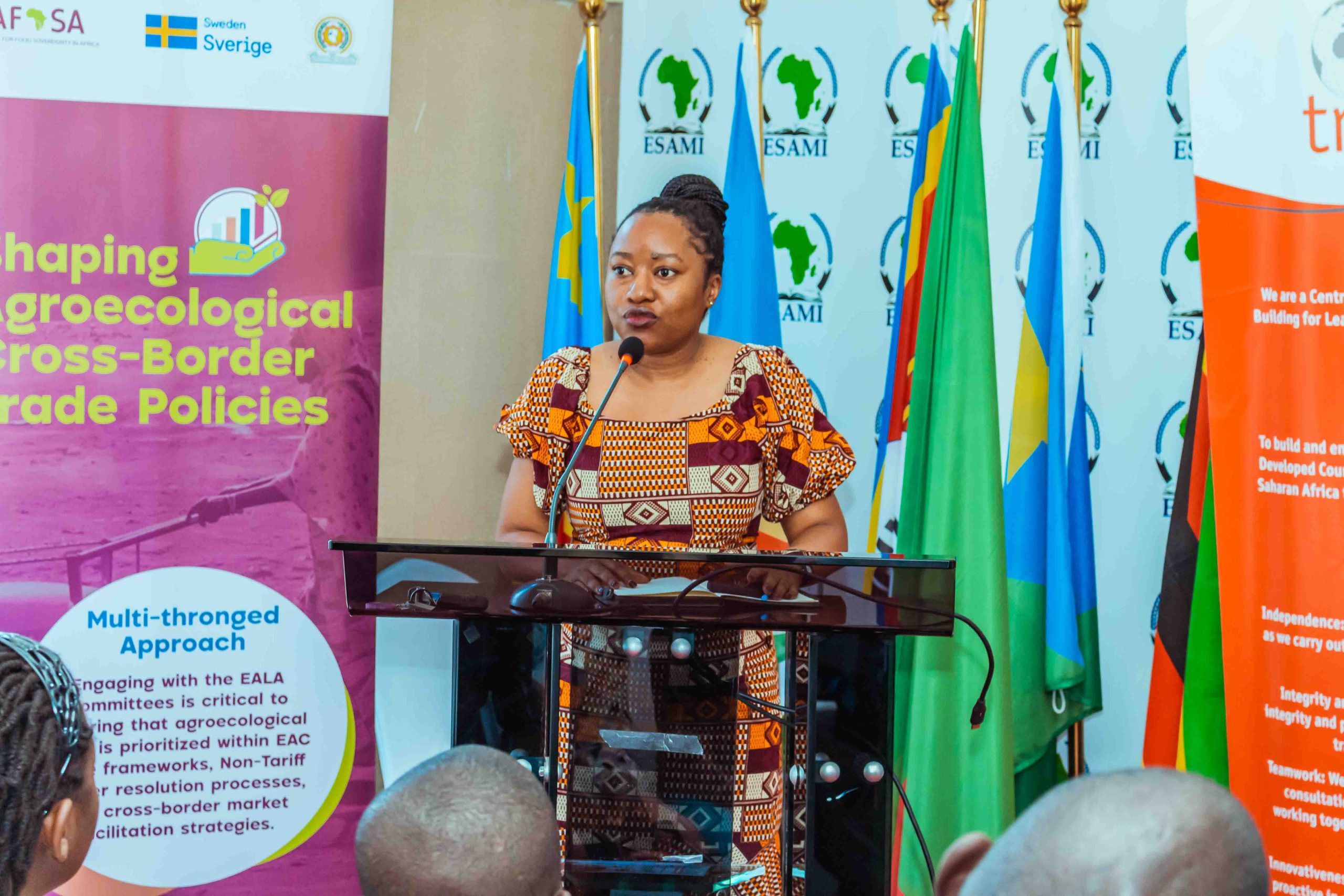
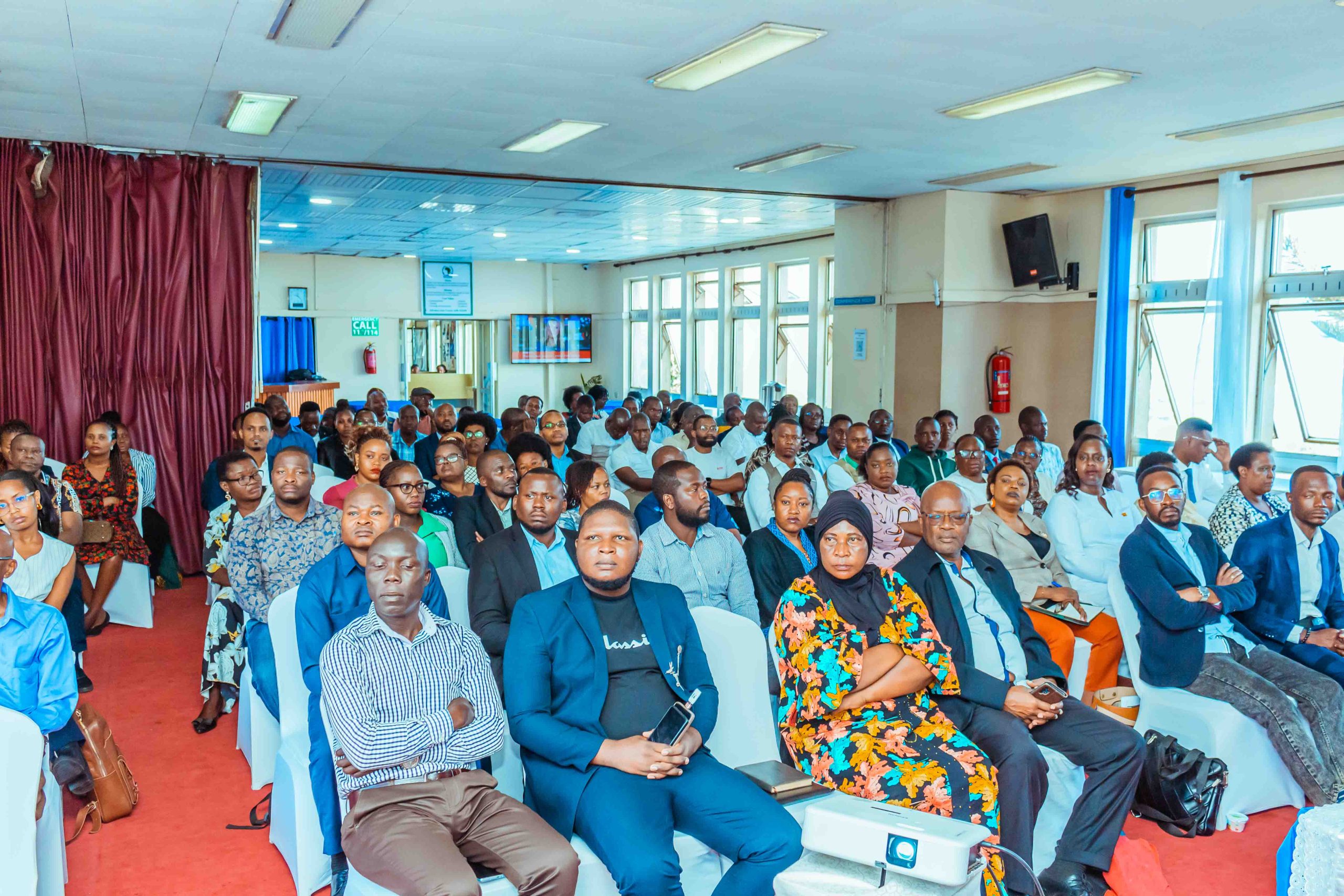
From 20–24 October 2025, ESAMI–trapca, in partnership with the Alliance for Food Sovereignty in Africa (AFSA) and the East African Community (EAC), successfully hosted the Regional Training Workshop on Agroecology and Cross-Border Trade in Arusha, Tanzania.
The week-long programme convened policymakers, customs and SPS officials, women’s cooperatives, youth entrepreneurs, and community leaders to bridge policy, practice, and people — advancing sustainable, inclusive, and climate-resilient agroecological trade under the AfCFTA and EAC frameworks, with support from SIDA and the Swedish Embassy.
💡 Highlights of the Week
🌿 Day 1 – Rethinking Agriculture Through Agroecology
Participants explored agroecology as a science, practice, and social movement promoting biodiversity, soil fertility, and low-carbon production. Teams identified high-potential products like honey, millet flour, and organic spices, proposing actions such as regional certification frameworks and digital NTB reporting systems to strengthen market access.
🌾 Day 2 – SPS, TBT and NTBs: Building Trust and Compliance in Regional Trade
Sessions focused on SPS and TBT measures that safeguard health and ensure product quality under WTO, AfCFTA, and EAC frameworks. Case studies from Tanzania, Kenya, and Rwanda showcased digital tools (ePhyto and eCert) that enhance traceability and reduce clearance times — reinforcing that safe, traceable, high-quality products are Africa’s passport to sustainable trade.
📜 Day 3 – Rules of Origin, STR and Trade Facilitation
Participants practiced completing Certificates of Origin under the EAC and AfCFTA, linking RoO, Simplified Trade Regimes (STR), and Non-Tariff Barrier (NTB) mechanisms to real border operations. Emphasis was placed on women and youth traders benefiting from simplified customs procedures and coordinated border management at One-Stop Border Posts (OSBPs).
💼 Day 4 – Linking Policy to Practice: AfCFTA Investment, IPR and Digital Trade
Participants examined the AfCFTA Protocols on Investment, IPR, and Digital Trade as catalysts for innovation, knowledge protection, and green growth. A learning visit to Namanga OSBP offered first-hand experience of coordinated customs, immigration, and SPS operations, and highlighted the role of digitalisation in empowering small-scale traders.
👩🏾🌾 Day 5 – Empowering Women and Youth in Agroecology and Trade
Guided by the AfCFTA Protocol on Women and Youth in Trade (2024), the EAC Gender Policy (2018), and the EAC Treaty Articles 121–122, discussions underscored inclusion as an economic imperative.
Key proposals included:
🌱 Establishing green and climate finance windows for women- and youth-led MSMEs.
💻 Expanding digital trade platforms and e-commerce hubs.
⚖ Setting up Gender and Trade Implementation Units and grievance systems at OSBPs.
📊 Embedding gender impact assessments in trade policy processes.
🎓 The workshop concluded with certificate awards and reflections reaffirming that empowering women and youth is essential for Africa’s agroecological transformation and regional integration.
👏 ESAMI–trapca extends heartfelt appreciation to all facilitators, participants, and partners — especially AFSA, and SIDA — for making this transformative journey possible. Together, we are building inclusive, sustainable, and border-smart trade systems for Africa’s future.